


- 15/02/2026 11:43
- 4 tháng trước
NHÌN THẤY TẾT– TẾT QUÊ
Khoa học não bộ từng nói rằng: thị giác – góc nhìn của con người – là giác quan có sức mạnh vượt trội, khi gần một phần tư số neuron trong não tham gia xử lý hình ảnh. Bởi vậy, mỗi ngày chúng ta “nhìn” nhiều hơn ta tưởng. Và cũng bởi vậy, Tết – trước khi chạm vào tai, vào lưỡi, vào tay – đã khẽ gõ cửa tâm hồn ta bằng đôi mắt.
Thật kỳ diệu biết bao khi đôi mắt mở ra, ta chợt thấy Tết ta – Tết quê đã về. Một cái nhìn bao dung, rộng mở ra, như cánh cửa miền ký ức, nơi cất giữ bao lớp cảm xúc, bao tầng văn hóa hồn Việt đã lắng sâu qua ngàn đời.
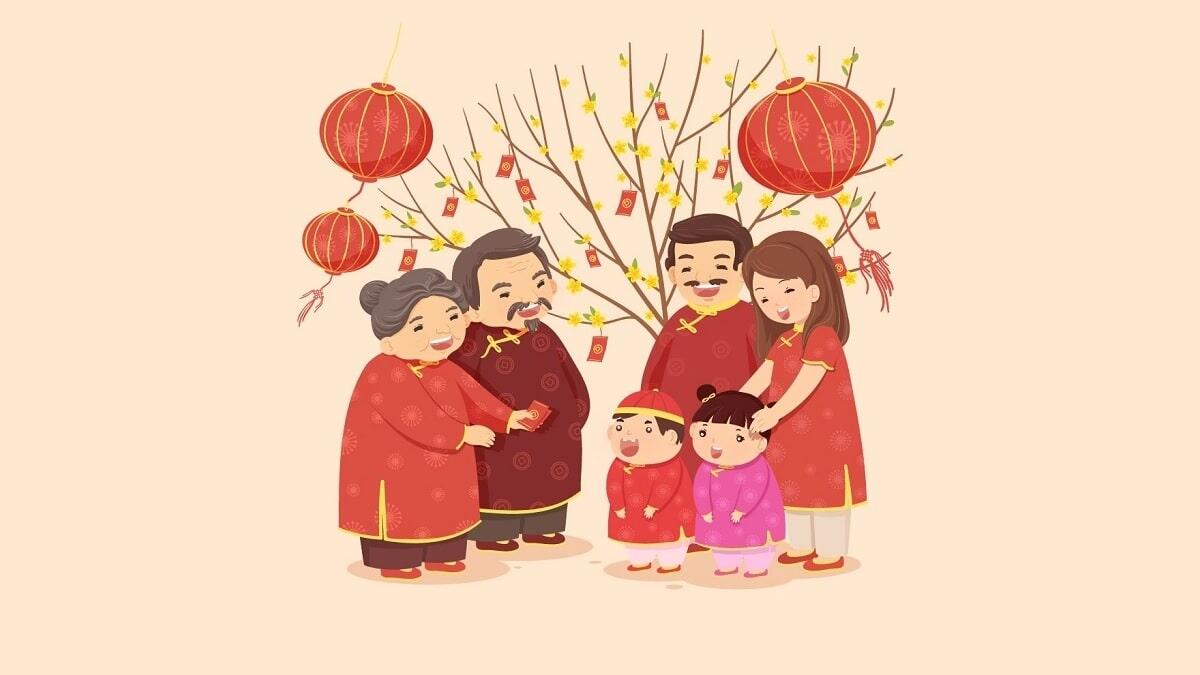
Tết luôn đến bằng mắt trước tiên. Chưa cần nghe tiếng pháo giao thừa vọng về trong nhớ hoài niệm, chưa kịp nếm vị béo thơm của bánh chưng mẹ bóc, chỉ cần thoáng thấy sắc đỏ của câu đối Tết, màu vàng ấm áp của cúc vạn thọ, sắc hồng phớt của đào phai… là não bộ đã thì thầm: Tết đã về đầu ngõ.
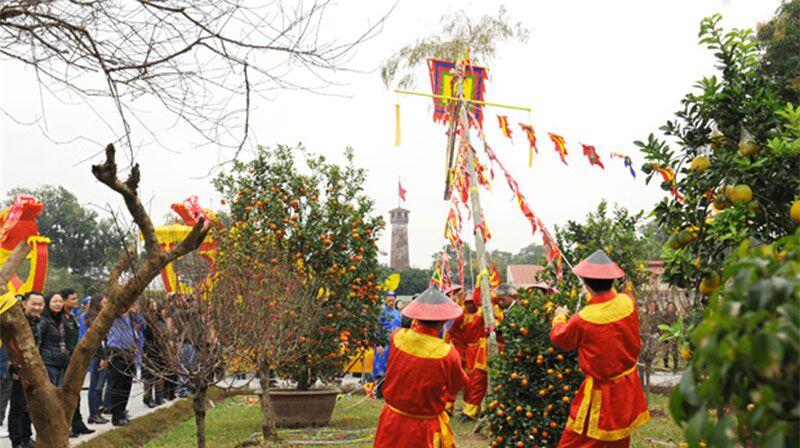
Tết lướt qua từng mái nhà, từng con đường làng. Một nhánh mơ trắng, một gốc mai vàng nơi góc phố, cuối chợ; một sạp hàng nhỏ bán bao lì xì đỏ thắm; dòng người trong tà áo dài truyền thống xen lẫn cách tân, mang theo đủ đầy sắc xuân… Tất cả ghép lại thành một “bản đồ Tết”. Chỉ cần liếc nhìn, ta đã đọc trọn bầu không khí xuân đang lan tỏa khắp miền đất hình chữ S.
Hình ảnh Tết mang trong nó một sức mạnh cảm xúc đặc biệt. Cảm xúc từ cái nhìn thường đi trước cả suy nghĩ, bởi não bộ xử lý hình ảnh nhanh hơn ngôn ngữ rất phong phú. Nhìn mâm ngũ quả đầy đặn, được nâng niu sắp đặt giữa bàn thờ gia tiên, ta bỗng cảm thấy sự đủ đầy, vẹn tròn, xum vầy cho một năm mới dài rộng phía trước.
Nhìn bếp củi hồng rực lửa ninh bánh chưng đêm cuối năm, ta cảm nhận được sự no ấm, sự giao hòa của đất trời và ước vọng mưa thuận gió hòa cho cả một năm. Rồi bất chợt, ánh mắt ta dừng lại nơi gương mặt mẹ cha – thêm vài nếp nhăn theo năm tháng – lòng người bỗng lặng xuống, sâu và rất sâu. Nhất là khi Tết này, trong mâm cơm sum họp, vắng đi một người quen thuộc. Thị giác trong Tết có thể mang đến niềm vui hân hoan, nhưng cũng đủ khiến khóe mắt ta cay cay. Tết – với cái nhìn hai chiều của đời sống: vui và thương, đủ đầy và thiếu vắng.
Nhìn thấy Tết cũng là nhìn ngược về thời gian xưa. Xem tranh Tết dân gian Đông Hồ trên nền giấy điệp thô ráp, ta như bước vào một miền ký ức xưa cũ, nơi sắc màu đều lấy từ thiên nhiên, nơi Tết gắn với làng quê, ruộng đồng và niềm vui mộc mạc– đôi vợ chồng tranh Hứng dừa gợi lên hạnh phúc giản dị mà tròn đầy.
Lướt qua tranh Tết Hàng Trống, ta lại có một cảm giác khác – trầm hơn, sâu hơn – như một lời nhắc chậm rãi về phúc – họa, về mong ước bình an cho mỗi gia đình trong năm mới.
Tết Bính Ngọ năm nay, nếu có dịp du xuân về Tiên Điền – Hà Tĩnh, quê hương Đại thi hào Nguyễn Du, ta có dịp chiêm nghiệm một công trình nghệ thuật đặc biệt: 3.254 câu thơ Truyện Kiều được tám cô giáo tiểu học chép thư pháp trên giấy gió, mực tàu, suốt gần tám ngày liền, với 600 trang khổ lớn. Khi đọc, người xem phải đứng trước giá đỡ của cuốn sách đồ sộ ấy. Càng xúc động hơn khi biết rằng có cô – người chị cả, cũng là Hiệu trưởng, Trường Tiểu học Tiên Điền, cựu quân nhân – đã thuộc lòng Truyện Kiều từ nhiều năm nay. Tác phẩm như món quà quê hương mộc mạc, trong trẻo, gói trọn bao ý nhị dâng lên tổ tiên nơi vùng đất học, đúng vào những ngày đầu xuân lành lạnh.
Trong Tết Nguyên Đán – khoảnh khắc giao thoa giữa cũ và mới – cái nhìn trở thành chiếc cầu nối giữa hiện tại, ký ức và những mong ước cho tương lai. Ta nhìn để nhận ra Tết đã về, mùa xuân đã trở lại. Nhìn để lưu giữ những khoảnh khắc mà thời gian không bao giờ chờ đợi ai.
Có lẽ vì thế, Tết cần được nhìn thật chậm. Nhìn để giữ lại sắc xuân đang khẽ trôi qua kẽ tay. Nhìn để biết mình còn thương, còn nhớ, còn mong cái đẹp ở phía trước. Bởi chừng nào đôi mắt còn rung động trước Tết, thì lòng người vẫn chưa cạn xuân – và mùa xuân vẫn còn ở lại.
Đặng Tự Ân
Nguồn: Báo Quân đội nhân dân