


- 09/02/2026 10:27
- 4 tháng trước
Âm thanh Tết - Tết quê
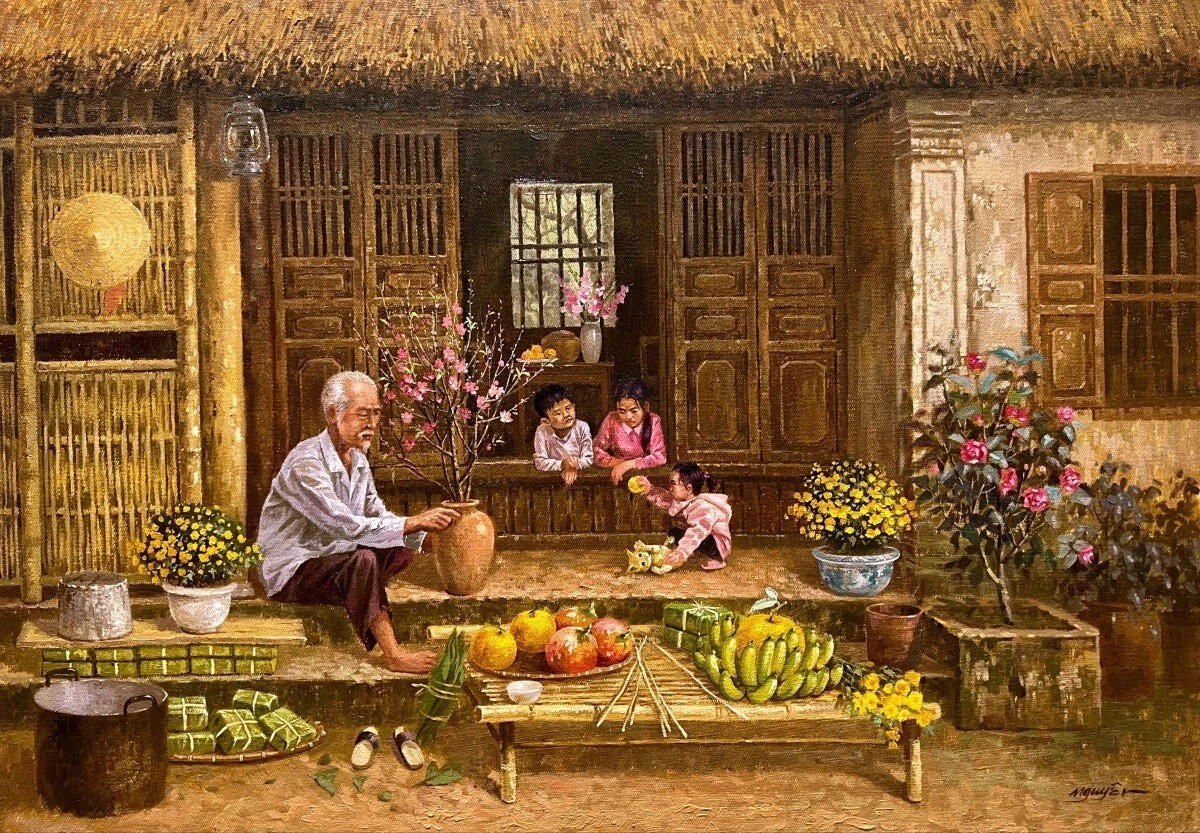
Có những âm thanh của ngày Tết không làm người ta rộn ràng vui sướng, mà chỉ khiến nỗi nhớ quê dâng lên nôn nao, da diết hơn. Nhất là khi sống xa quê, hay nơi đất khách quê người, chỉ cần nghe thoảng đâu đó “Tết – Tết quê” vào những ngày cuối đông đầu xuân, là biết Tết ở quê nhà đã về rất gần rồi.
Tiếng hát ai trữ tình, lai láng, phảng phất chút buồn man mác: “Cây đào ngày Tết sắp ra hoa…” khiến ta ngỡ như thời khắc chuyển giao giữa năm cũ và năm mới đã chạm ngõ. Ai cũng có cho mình một miền ký ức riêng, nhưng có lẽ, nỗi nhớ về âm thanh ngày Tết thì chưa bao giờ cũ.
Ngày ấy, tiếng pháo cối nổ đì đùng, chát chúa; pháo tép nổ đì đẹt, vui tai khắp làng trên xóm dưới, báo hiệu Tết sắp về. Dù đã hơn ba mươi năm trôi qua, ký ức ấy giờ như một huyền thoại của dĩ vãng, nhưng mỗi khi nghĩ lại, lòng vẫn rưng rưng. Tiếng gọi í ới đầu ngõ, lẫn trong tiếng lợn eng éc, như cầu cứu ở sân nhà ai đó - cả làng háo hức mổ lợn Tết, bõ công góp cám nuôi chung suốt nửa năm ròng.
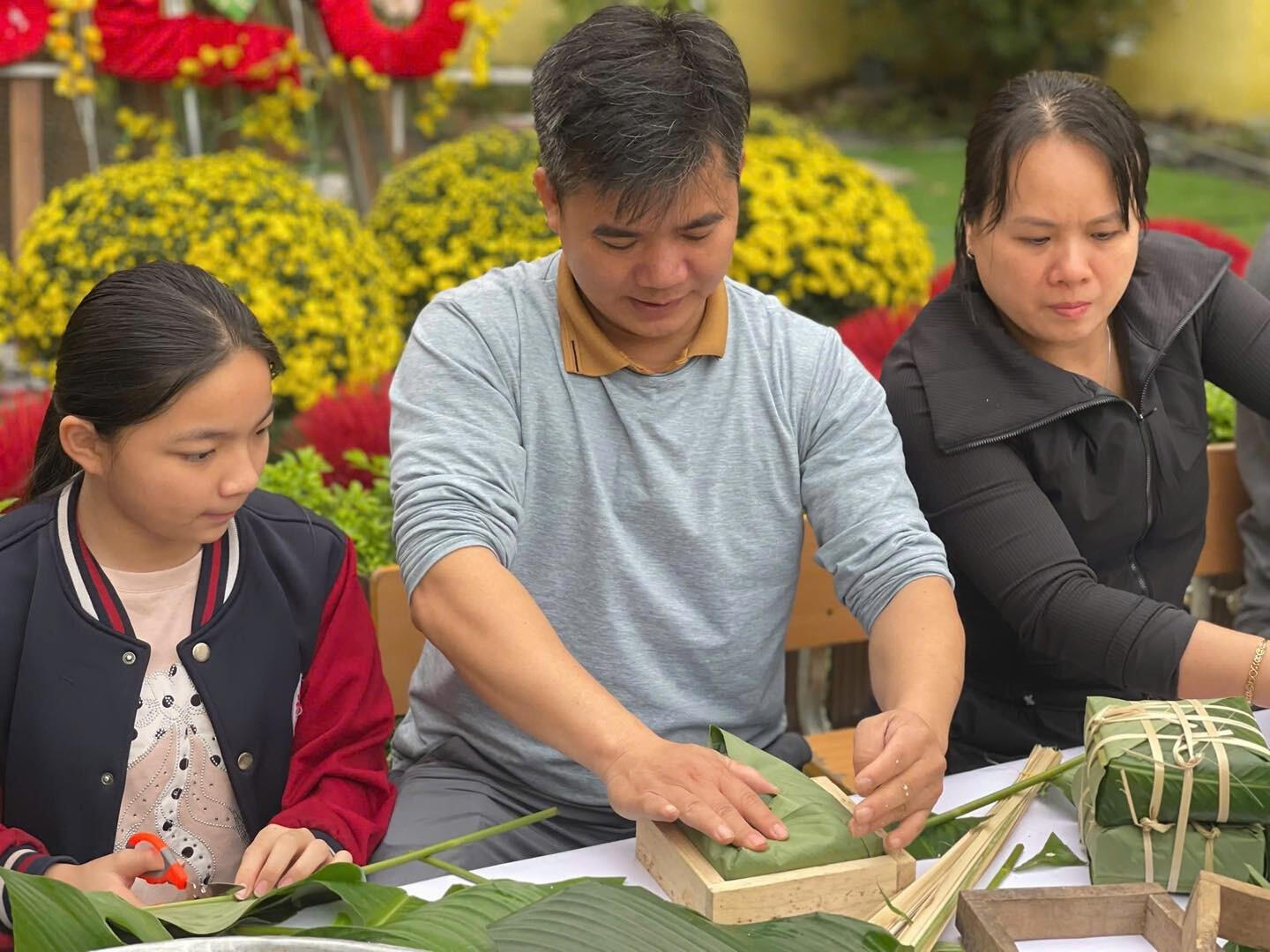
Gói bánh chưng dịp Tết
Thịt được chia đều từ móng giò, mỡ phần, thịt thăn đến xương sườn; bộ lòng thì luộc chung, chờ chia sau. Những chuyện Tết một thời có cái nay đã không còn hợp, nhưng đã là ký ức thì khó mà quên được mỗi độ Xuân về.
Tết xưa và Tết nay khác nhau nhiều, nhưng đều vui theo cách riêng. Một bên là niềm vui ngồi bên nồi bánh chưng, lạnh mà ấm, râm ran tiếng cười. Một bên là niềm vui xách va-li đi du lịch trong và ngoài nước. Âm thanh Tết – tiếng Tết, lời Tết, không khí Tết – dù đổi thay theo thời gian, vẫn là thứ neo giữ cảm xúc con người. Chỉ có điều, Tết quê xưa ấy, dẫu xa rồi, vẫn là nơi để mỗi khi nghe lại, ta biết rằng Tết vẫn có tiếng thở rất khẽ trong ký ức mình, ký ức của mọi người con đất Việt.
Nhắc đến Tết quê, không thể không nhắc đến bánh chưng. Nhà nhà tất bật cả năm, nhưng Tết đến thì nhất định phải gói dăm mươi cái bánh. Không có bánh chưng coi như không có Tết. Đêm cuối năm, căn bếp nhỏ hay góc sân, khoảng vườn, chưa bao giờ yên tĩnh. Tiếng nồi bánh chưng sôi lục bục, tiếng củi nổ tí tách, tiếng người lớn trò chuyện rì rầm suốt canh khuya. Trẻ con mắt đỏ hoe vì buồn ngủ, vẫn cố thức để chờ chiếc bánh nhỏ xíu – quê tôi gọi là bánh dùa. Âm thanh làng xóm hòa cùng khói bếp, mùi lá dong luộc chín ngai ngái, tạo nên một hương vị rất riêng của Tết – thứ mà chỉ khi trưởng thành, hay đi xa quê, người ta mới thấy nhớ thương đến quặn lòng.
Đêm giao thừa, nhà nào có radio đều vặn to, khá giả hơn thì có chiếc ti-vi đen trắng để xem chương trình ca nhạc xuân hay hát cải lương. Đến thời khắc giao thừa, cả nhà ngồi quây quần, im lặng lắng nghe từng lời chúc Tết của Chủ tịch nước, như nuốt trọn vào lòng niềm hy vọng cho năm mới. Ngoài đường, người đi hái lộc, chúc Tết đầu năm đã bắt đầu rộn ràng. Trẻ con quê tôi hò reo, trèo cả lên cây, cố nhìn cho được pháo hoa bắn từ Thủ đô xa tít.
Sáng mồng Một, đường làng bỗng nhộn nhịp lạ thường. Tiếng chào hỏi, chúc Tết vang lên vồn vã, thân thương như thể cả năm trời giờ mới gặp lại nhau. Trẻ con mặc quần áo mới lần đầu, cười ríu rít khi cầm phong bao lì xì đỏ tươi trên tay. Đâu đó vang lên những bản nhạc xuân êm đềm, đủ làm lòng người ấm lại giữa tiết trời se lạnh đầu năm. Thời bao cấp ấy, dù kinh tế còn khó khăn, đất nước còn chia cắt, nhưng âm thanh của Tết, của những năm tháng xưa, đến nay vẫn như mới, vẫn lắng đọng trong ký ức của thế hệ chúng tôi. Có lẽ, không nghe thấy Tết quê, không sống trong âm thanh của Tết quê, thì con người khó mà lớn lên trọn vẹn. Có điều, Tết đến rồi Tết qua đi, tiếng thở dài của các bà, các cô nội trợ mỗi nhà vẫn còn lại–mệt, mệt lắm vì Tết.
Âm thanh Tết thời hiện đại đã khác xưa rất nhiều. Tết nay rộn ràng, sôi động, tiện lợi, nhưng dường như cũng vội vã và ít lắng sâu hơn. Tiếng Tết trở nên đa dạng, phổ biến, nhất là ở thành phố, khu đô thị hay khu công nghiệp: nhạc Tết, nhạc điện tử, nhạc pop vang lên liên tục từ các trung tâm thương mại, nhà văn hóa. Màn hình LED khổ lớn, âm thanh lớn, cộng thêm tiếng xe cộ, còi xe ở sân bay, bến xe, tạo cảm giác Tết đến rất gần nhưng cũng rất ồn ào, náo nhiệt. Giao thừa bây giờ là tiếng pháo hoa trên ti-vi, là livestream, là những lời chúc Tết qua mạng xã hội. Tết hiện đại dường như ầm ĩ hơn, kết nối rộng hơn, vươn ra toàn cầu, nhưng lại ít nghe thấy nhau nói chuyện hơn. Âm thanh của Tết nay nhanh, mạnh, rực rỡ - như một bản nhạc hip-hop sôi động, nhảy nhót không ngừng. Đúng Tết của thời công nghệ.
Đặng Tự Ân
Nguồn: Báo Tiền phong