


- 09/02/2026 10:13
- 4 tháng trước
Mùi Tết Việt
Tết có một mùi rất riêng - người ta vẫn gọi đó là mùi của Tết Việt. Đó là mùi hương trầm quyện với hoa bưởi, hoa cúc; mùi bánh chưng mới vớt còn thơm lá dong; và cả mùi lá mùi già - thứ hương quen thuộc của văn hóa đất Bắc, được dùng trong nghi thức tắm thanh tẩy vào chiều ba mươi Tết, mong gột rửa những điều cũ kỹ, tổn thương để bước sang năm mới an lành.
Nước lá mùi già được đun sôi, hương thơm ngây ngất. Cả nhà cùng tắm tất niên, như một cách “giải hạn” cuối năm. Ai nấy đều thấy mình thơm tho, lâng lâng, nhẹ nhõm, rồi theo nhau đón giao thừa, gọi năm mới về.
Tết có mùi rất đặc trưng. Chỉ cần chạm khẽ vào ký ức là lòng người đã mềm ra, tâm hồn nao nao muốn tìm về quá khứ. Đó là mùi khói nhang ấm áp quẩn quanh gian thờ tổ tiên, lan tỏa khắp ngôi nhà cũ, quyện với mùi vôi tường mới quét đón Tết, sang Xuân. Chỉ thoáng ngửi thôi, dù đang ở đâu, ta cũng biết Tết đã về quê nhà.
Mùi Tết không nồng, không gắt, mà âm thầm len vào tim, mang theo cảm giác sum vầy, bình yên và một nỗi nhớ rất khẽ — nỗi nhớ khiến ta dù đi xa đến đâu cũng muốn quay về, để tìm lại miền ký ức thiếu thời. Với những người xa quê, đó còn là mùi của quê hương và nỗi nhớ quê.
Hương trầm ngày Tết không phô trương, không nồng nàn, mà trầm lắng và ấm áp. Khi nén trầm được thắp lên trên bàn thờ gia tiên, không gian như chậm lại, lòng người cũng lắng sâu hơn. Mùi trầm gợi nhắc về cội nguồn, về ông bà tổ tiên, về những cái Tết xưa cũ đầy yêu thương — nơi có sự sum vầy, những phút giây gia đình quây quần, cùng cầu mong một năm mới bình an, đủ đầy.
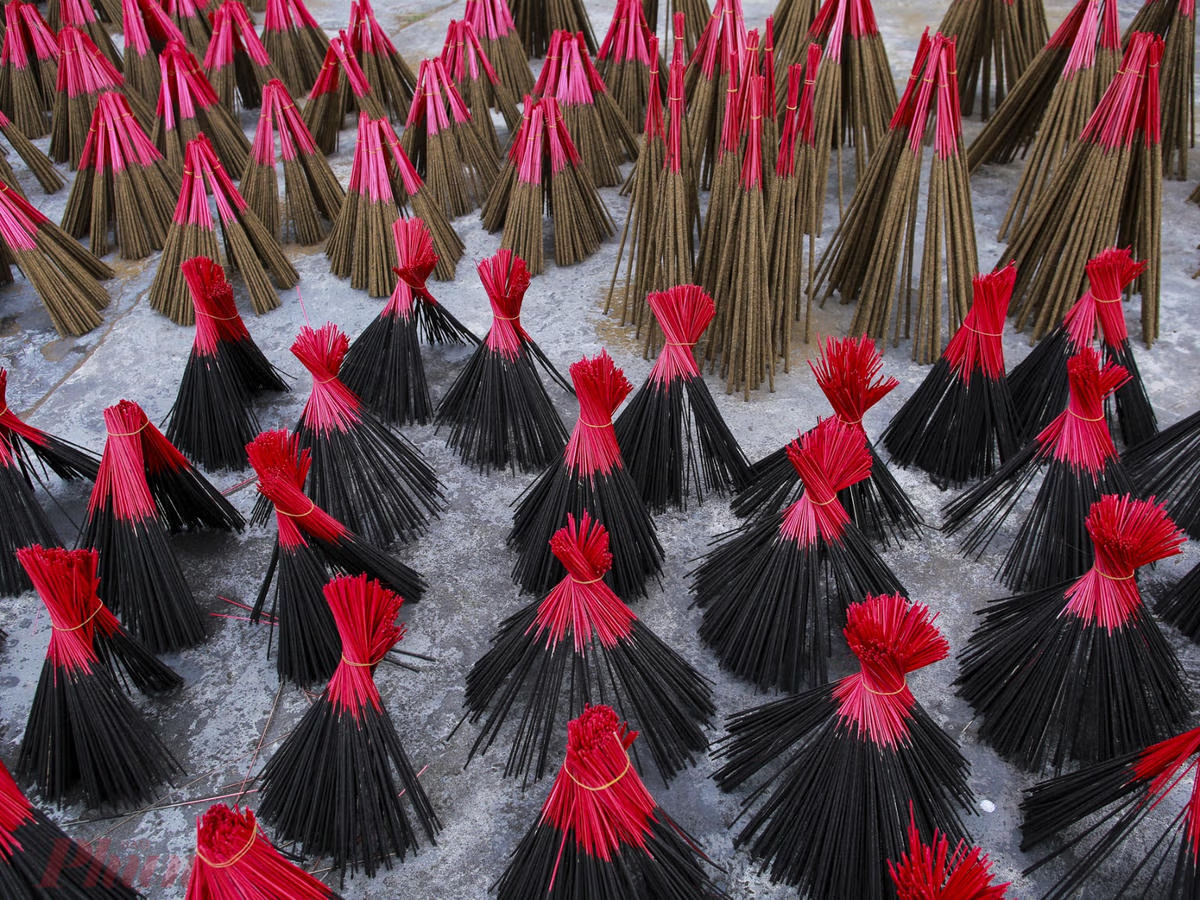
Mùi hương trầm ngày Tết gợi nhắc về cội nguồn (ảnh TL)
Trong làn khói trầm mỏng nhẹ ấy, người ta gửi gắm ước nguyện tốt lành, buông bỏ muộn phiền năm cũ và đón chờ những khởi đầu mới. Vì thế, hương trầm ngày Tết không chỉ là một mùi hương, mà còn là một cảm xúc, một phần hồn của Tết Việt — thiêng liêng, trầm lắng và ấm áp.
Hương trầm hòa vào không gian tạo nên cảm giác sum vầy: Tết thật sự đã về, gia đình đủ đầy, quây quần. Trầm không gắt như nhang thường, mà sâu và êm, khiến lòng người chậm lại sau một năm nhiều lo toan. Nó mang sự kết nối tâm linh, gắn với nghi lễ cúng bái, tưởng nhớ ông bà; mang cả sự hoài niệm — mùi của tuổi thơ, của những đêm giao thừa yên ắng bên cha mẹ, bên nồi bánh chưng đỏ lửa.
Trong từ điển không có định nghĩa cho cụm từ “mùi quê”, nhưng nó vẫn hiện diện rõ ràng trong ký ức của nhiều người, ở nhiều làng quê Việt. Chỉ những ai sinh ra, lớn lên ở quê, rồi trưởng thành và xa quê, mang trong lòng nỗi thương quê da diết, mới cảm nhận được mùi quê. Mùi quê rất khó diễn tả bằng lời, nhưng mỗi khi thoáng ngửi thấy, người quê biết đó là mùi của ký ức sâu lắng — rất thơm và rất quê.
Có lẽ đậm nhất vẫn là mùi của Tết quê. Mùi Tết xưa là sự hòa quyện đủ đầy của hương và sắc: mùi của mùa Xuân còn vương mùa Đông; mùi quần áo mới ngày Tết; hương hoa đào, hoa lan, hoa cúc, vạn thọ; mùi lá dong, bánh chưng mới vớt; hương mứt Tết quyện cùng trà xanh; mùi pháo cũ; hương lá mùi già thơm lừng khắp ngõ xóm chiều ba mươi; mùi hương đen, hương trầm làm ấm cả mùa Xuân. Mùi hoa huệ và khói nhang như sợi dây kết nối tổ tiên với mỗi gia đình làng quê.
Để rồi mỗi độ Tết đến, ta lại thổn thức trong nỗi nhớ đầy vơi — “một mùi quê dịu đắm mãi bên lòng.”
Tết xưa, Tết quê sẽ còn mãi trong tâm trí mỗi người. Không phải Tết mất đi hay nhạt phai mà do cách nhìn cách cảm có khác nhau của mỗi người con đất Việt.
Đặng Tự Ân
Nguồn: Báo Đại đoàn kết