


- 11/02/2026 10:29
- 4 tháng trước
Vị ngon Tết Việt
Tết khởi đầu bằng những thanh âm quen thuộc, bằng sắc màu rực rỡ, bằng mùi hương trầm ấm… rồi đọng lại rất lâu nơi đầu lưỡi bằng một vị ngon khó gọi tên. Vị ngon ấy là tinh hoa của Tết Việt, được chắt chiu, hòa quyện và lưu truyền qua suốt chiều dài lịch sử nghìn năm văn hiến, từ thuở con Rồng cháu Tiên trên dải đất hình chữ S này.
Tết quê là bữa tiệc của mừng vui, của sum họp, của những cái ôm khó dứt sau bao ngày xa cách. Cụm từ “ăn Tết” đã gắn liền với xã hội nông nghiệp xưa – khi Tết là dịp để người nông dân được nghỉ ngơi, được hưởng trọn thành quả lao động sau một năm lam lũ. Bởi thế mới có câu “đói quanh năm, no ba ngày Tết”. Lớp trẻ hôm nay, trong nhịp sống hiện đại, đã dần chuyển hóa Tết theo cách dung dị, tiện lợi và hợp thời hơn, nhưng cũng vì thế mà ít nhiều làm phôi pha đi hương vị Tết xưa. Trái lại, với cha ông nơi làng quê Việt, “ăn Tết” vẫn là máu thịt, là nếp sống được truyền lại từ bao đời, không thể rời xa.
Nhắc đến Tết, người Việt nghĩ ngay đến Tết Nguyên đán – Tết cổ truyền, Tết ta – quen thuộc mà thiêng liêng. Chữ “ăn” trong “ăn Tết” không chỉ là ăn uống. Đó là ký ức, là dấu ấn đời người được bồi đắp qua nhiều thế hệ. Người ta bảo Tết nay là “Tết sạch”, “Tết tiện”, nhưng dường như lại thiếu đi vị của ký ức – ký ức tuổi thơ, ký ức gia đình và quê hương.
Tết là lúc người ta tất bật sắm sanh cho đủ đầy. Ba mươi Tết, trong nhà phải có miếng thịt treo, bởi “khôn ngoan tới cửa quan mới biết, giàu có ba mươi Tết mới hay”. Tết là lúc ai cũng mong được trở về – “về với mẹ, về nơi yên bình”. Mẹ ở đây là làng quê, là đất nước, là nơi ta lớn lên và trưởng thành.
Bữa cơm tất niên chiều ba mươi Tết đã trở thành nếp nhà của nhiều gia đình Việt, như một nguyên tắc thiêng liêng của sự đoàn viên sau một năm mưu sinh vất vả. Đó là bữa cơm sum họp đầy đủ nhất, nơi mọi người ngồi lại bên nhau, rôm rả kể chuyện cũ, chuyện mới. Với người già, đó là dịp “ôn cố tri tân”, dịp nhắc nhở, răn dạy con cháu về cội nguồn, nề nếp gia phong.
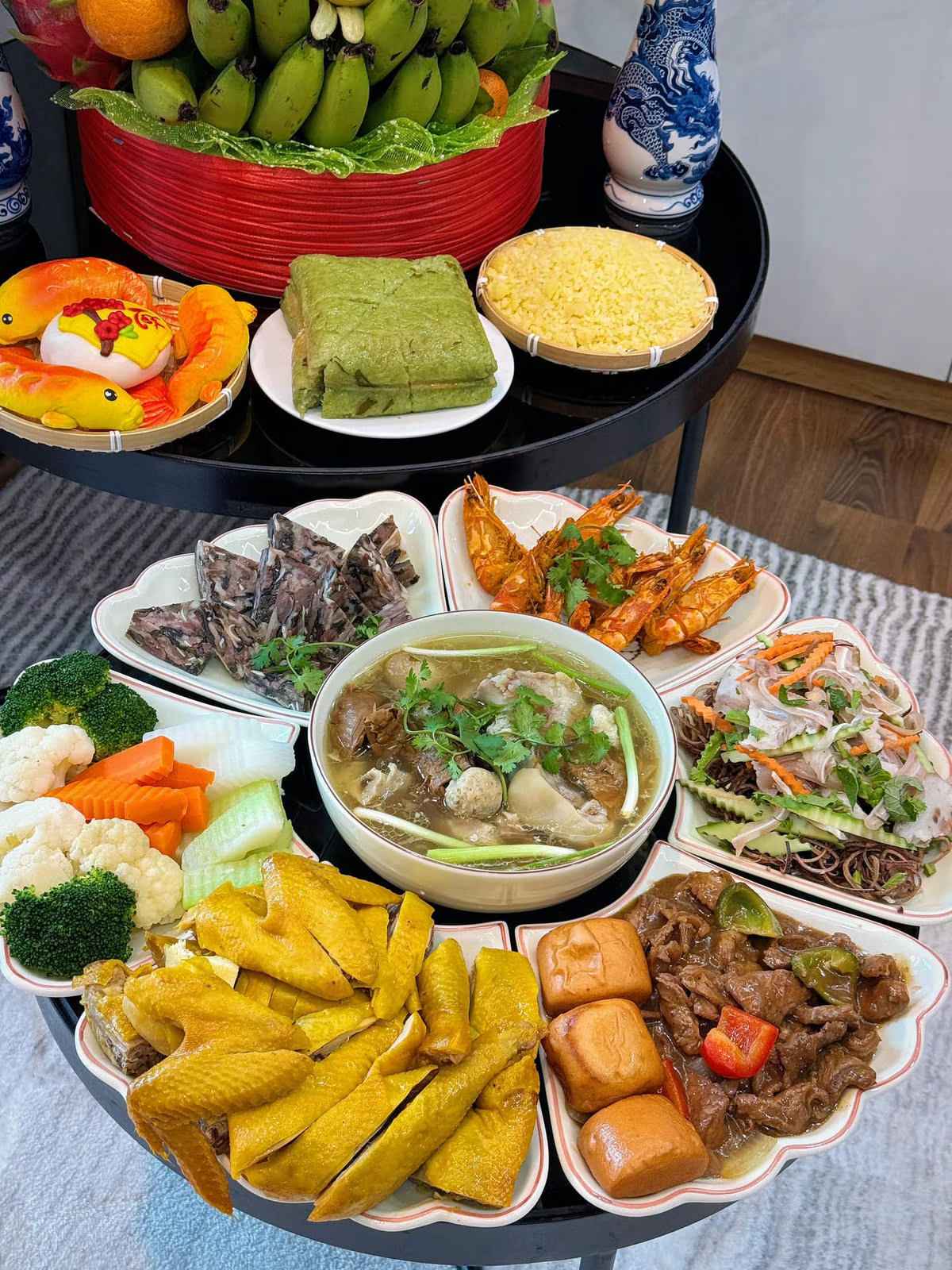
Trên mâm cỗ cuối năm, mỗi món ăn đều mang trong mình một ý nghĩa văn hóa riêng. Khoanh giò lụa trắng ngần, tròn đầy như lời chúc viên mãn. Bát chân giò nấu măng khô đậm đà hương núi rừng, gợi cảm giác no đủ, sung túc. Dưa hành chua nhẹ, cay cay, mẹ ủ từ sớm để làm dịu vị ngậy của giò thủ – như một lời nhắc về sự cân bằng trong cuộc sống. Tết đâu chỉ là ăn, mà còn là sự ấm áp, sẻ chia, là sợi dây gắn kết anh em, con cháu trong cùng một gia tộc.
Bánh chưng, bánh tét giờ đây có thể mua dễ dàng, chỉ một cuộc gọi là có ngay. Nhưng dẫu thời gian trôi qua, ai cũng vẫn nhớ khoảnh khắc được mẹ trao cho chiếc bánh chưng nhỏ xíu, vừa ăn vừa thổi vì nóng rát môi – một ký ức giản dị mà không năm nào quên. Ngày Tết, vị ngon của món ăn quen thuộc luôn đi kèm hơi ấm yêu thương. Cả gia đình quây quần bên bếp lửa, canh nồi bánh, kể cho nhau nghe chuyện một năm đã qua, giữa tiếng củi nổ lách tách trong đêm cuối năm se lạnh.
Khi bánh chưng được vớt ra, cha luôn chọn chiếc bánh vuông vức, đẹp nhất đặt lên bàn thờ gia tiên, thắp nén hương cầu mong phúc lộc, bình an. Rồi cả nhà cùng thưởng thức miếng bánh chưng xanh còn ấm, nhìn nhau mỉm cười, tấm tắc khen ngon – cái ngon của sự đoàn tụ, của tình thân.
Vì thế, trong “ăn Tết”, chữ “ăn” chỉ là một phần rất nhỏ. Vị hương của Tết còn là vẻ đẹp tinh thần, là ý nghĩa tâm linh, tín ngưỡng và chiều sâu văn hóa truyền thống. Tết là khoảnh khắc linh thiêng đã ăn sâu vào tiềm thức người Việt. Tết không của riêng ai – Tết của mọi nhà, của làng quê, của ông bà tổ tiên. Tết nay có thể nhiều món ngon hơn, đủ đầy sơn hào hải vị, nhưng dường như lại thiếu đi cảm giác “chờ đợi”, mong ngóng được nếm trọn cái Tết quê mộc mạc mà thấm đẫm yêu thương.
Đặng Tự Ân
Nguồn: Báo Đại đoàn kết